Loading... Please wait...
Categories
New Products
-
 $9.99
$9.99
-
 $9.99
$9.99
-
 $199.00
-
 $0.00
$0.00
-
 $129.00
Our Newsletter
- Home
- Natural Herbs (1 Ib/bag )---天然草药
- Baishao (White Peony Root)---白芍


Product Description
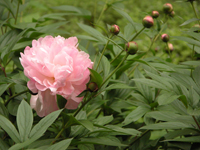
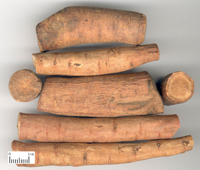
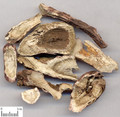
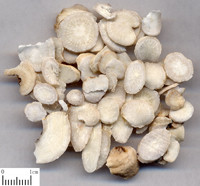
This medicinal is the dried root of Paeonia lactiflora Pall.(Fam.Ranunculaceae). The root is excavated in summer or autumn and washed clean. After removal of the rootlets and skin, it is steeped in boiling water or slightly boiled till it is heated equally and then dried by natural sunlight. It is sliced after maceration, and used in its unprepared form, stir-baked with or without wine.
[ Medicinal Properties ]: Bitter, sour, slightly cold; relate to liver and spleen meridians.
[ Medicinal Efficacies ]: Nourish blood and regulate menstruatin, suppress liver to relieve pain, astringe yin to arrest sweating.
[ Clinical Applications ]: 1. Irregular menstruation It treats irregular menstruation, dysmenorrhea, metrorrhagia and metrostaxis, due to deficiency of liver blood, in combination with Shudihuang and Danggui, as in the Siwu Decoction. It also treats irregular menstruation due to blood deficiency with internal heat, in combination with Huangqin and Huangbo.
2. Pain in the hypochondrium, stomach and abdomen, or spasm and pain in the extremities For pain in the hypochondirum due to blood deficiency with liver depression, it is often used in combination with Chaihu, Danggui and Baishao, as in the Xiaoyao Powder. For spasm and pain in the extremities due to deficiency of yin-blood, it is prescribed with Gancao, as in the Shaoyao Gancao Decoction.
3. Hyperactivity of liver yang with headache and vertigo In this case, it is prescribed with Niuxi, Daizheshi and Longgu, as in the Zhengan Xifeng Decoction.
4. Sweating with aversion to wind, night sweating due to yin deficiency For sweating with aversion to wind, which is due to external contraction of wind-cold and disharmony between nutrient and defense, it is prescribed with Guizhi, as in Guizhi Decoction. For night sweating due to yin deficiency, it is combined with Longgu and Fuxiaomai.
[ Usage and Dosage ]: 5-10g. or 15-30g in large dosage.
[ Precautions ]: It is not recomended for deficiency-cold due to yang declination and incompatible with Lilu.
[ Medicinal Comparison ]: Similarities: Both Baishaoand Chishao have the action of relieving pain and are indicated for various pains. However, the former is good at emolliating liver to relive pain and treats syndrome of liver-spleen disharmony, manifested as pain in the hypochondrium, stomach ad abdomen, or spasm and pain in the extremities. The latter is good at relieving pain by activating blood and dispelling stasis and treats hypochondriac pain due to liver depression with blood stasis, dysmenorrhea due to blood stasis, abdominal mass and pain, injuries from falls and ecchymoma.
Differences: Baishao also has the efficacy of regulating menstruation, suppressing liver and relieve pain and astringing yin to arrest sweating and is used to treat irregular menstruation, menorrhagia and metrostaxis, due to deficiency of liver-blood, headache, vertigo due to hyperactivity of liver yang, sweating with aversion to wind due to disharmony between nutrient and defense and night sweating due to yin deficiedncy. Chishao also has the action of clearing heat, cooling blood and purging liver fire and treats ecchymosis due to warm-toxin, hematemesis and epistaxis due to blood heat, abscesses and sores, red eyes due to liver fire.
Similarities: Both Danggui and Baishao have the action of tonifying blood, regulating menstruation and relieving pain and are indicated for blood deficiency syndrome, irregular menstruation and pains. However, the former, being pungent and warm, treats pains due to blood stasis. The latter, being sour, actions to astringe yin , relieves pain in the hypochondrium, stomach and abdomen, or spasm and pain in the extremities, due to liver-spleen disharmony.
Differneces: Danggui has the added action of activating blood, moistening bowels and trats traumatic injuries, abscesses and ulcers, arthralgia due to wind-cold-dampness and constipation due to intestinal dryness. Due to the action of astringing yin to arrest sweating, suppressing haperactivity of liver yang, Baishao treats headache and vertigo due to hyperactivity of liver yang, sweating with aversion to wind, night sweating due to yin deficiency.
白芍为毛莨科植物芍药Raeonia lactiflora pall.的根。主产于浙江、安徽、四川等地。夏秋季采挖,去净泥土和支根,去皮,沸水浸或略煮至受热均匀,晒干。用时润透切片。一般生用或酒炒或清炒用。